I. Extensive Optional Material Portfolio
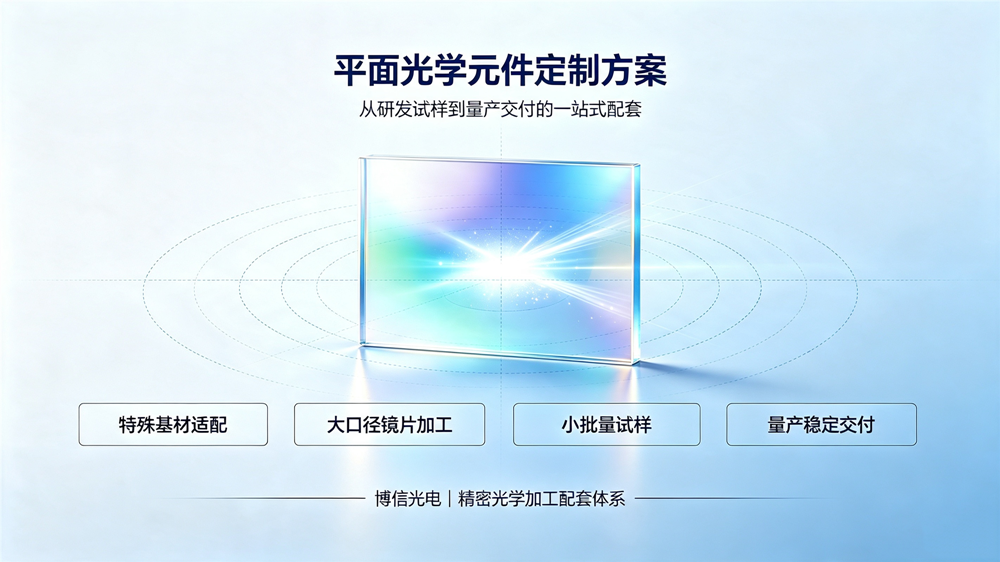
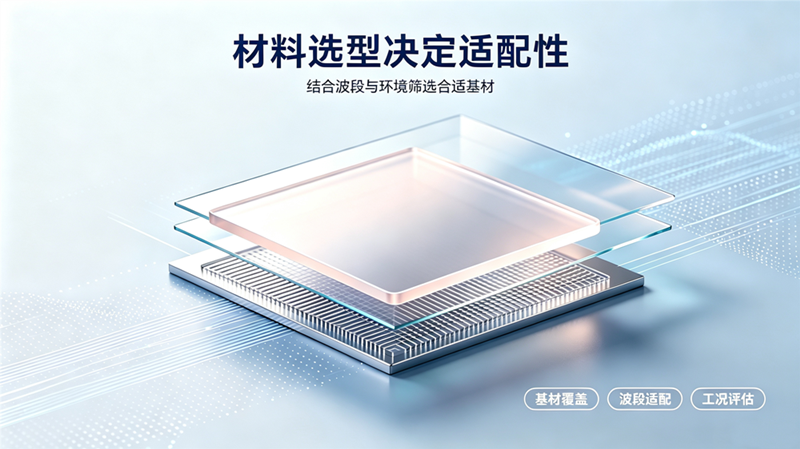
Material selection lays the foundation for reliable equipment matching. Our processable substrates cover colorless optical glass, colored optical glass, laser crystals, fused silica, radiation-resistant glass, and special-purpose materials for UV and infrared applications. Whether the equipment operates in visible, ultraviolet or infrared wavebands, or under radioactive exposure and extreme temperature/humidity conditions, our technical team assists customers in screening optimal materials in accordance with actual working conditions, cutting down time costs caused by repeated material trial verifications for R&D teams.
II. Sufficiently Flexible Machining Parameter Range
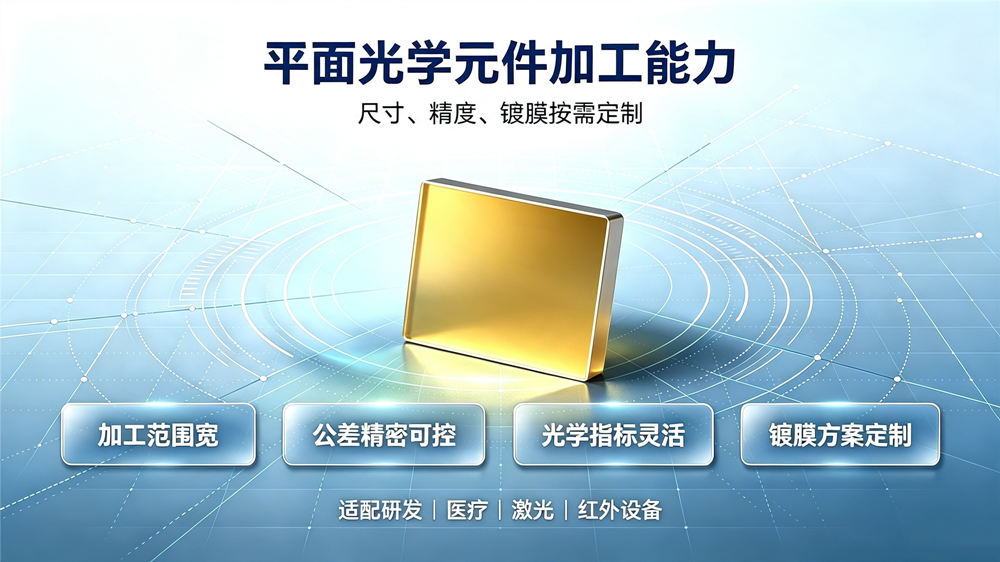
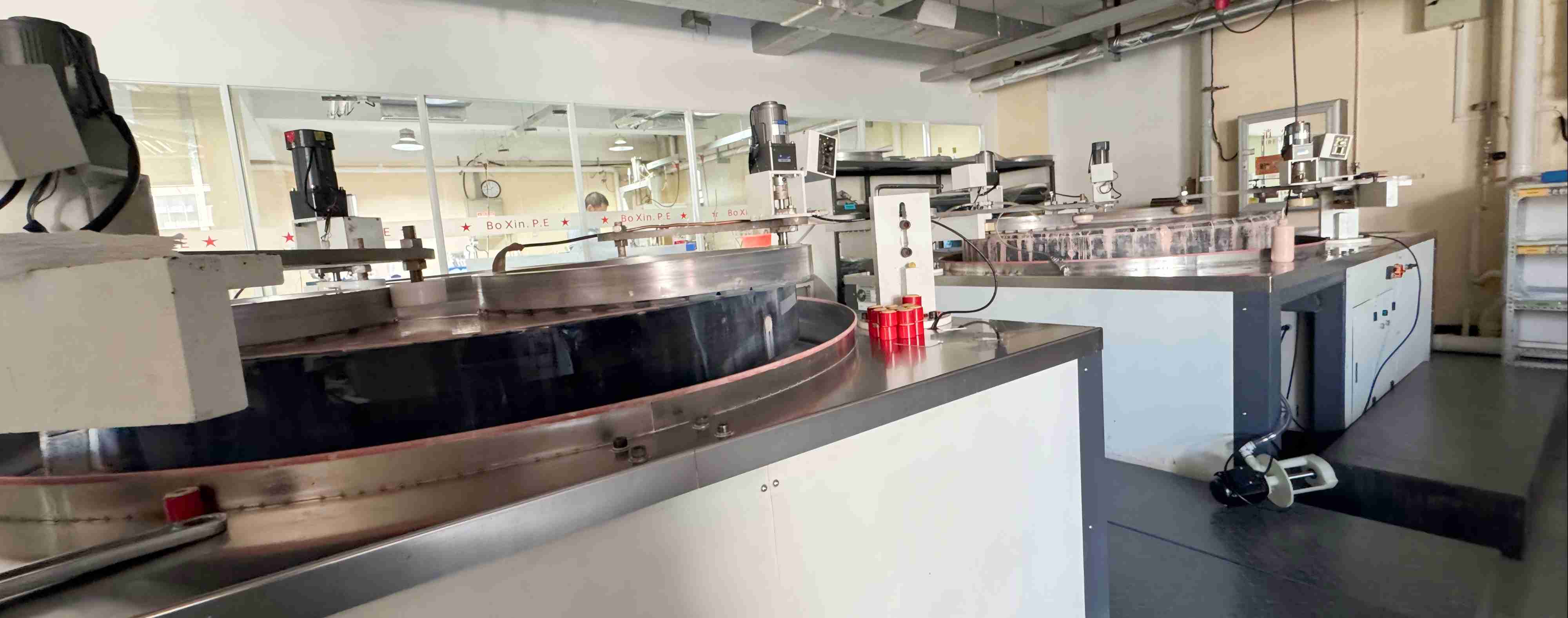
Complete hardware configuration enables high-standard grinding and polishing of large-size plano lenses, effectively addressing the technical difficulty of flatness control for large-size plano workpieces. Powered by integrated production lines, the annual output of plano optical components reaches approximately 500,000 pieces with flexible order acceptance rules. We undertake small-batch prototype fabrication in the R&D phase for engineers to conduct equipment commissioning and optical path verification. After project finalization for mass production, we arrange orderly production schedules to stabilize delivery cycles. Both small-quantity research samples and mass stock orders for equipment manufacturers can be accommodated with dedicated production arrangements.
IV. Full In-House Closed-Loop Production Workflow
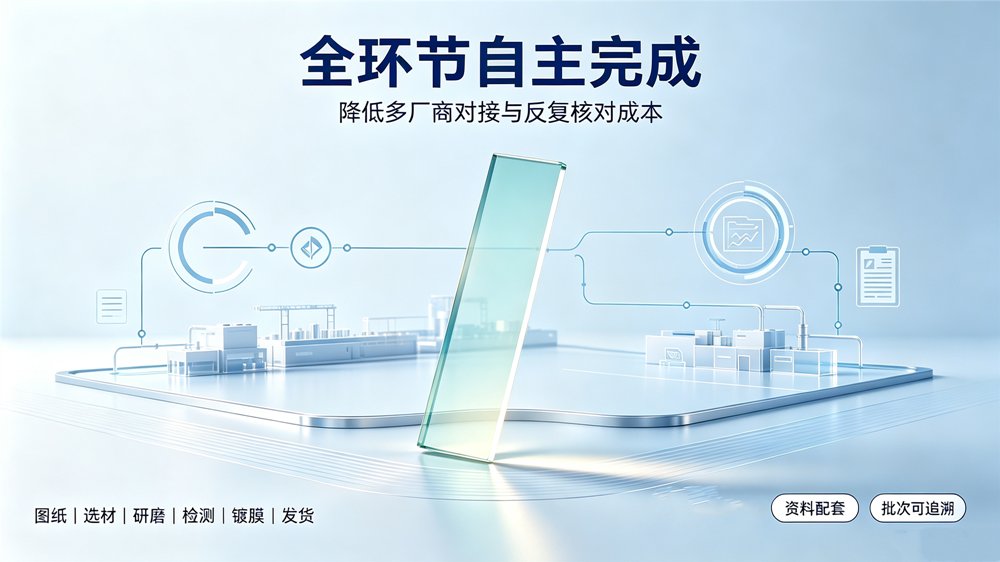
Extra communication costs in procurement are largely incurred by outsourcing coordination across multiple vendors. All manufacturing procedures for Boxin plano optical components are completed internally without third-party outsourcing, including drawing confirmation, material selection, precision grinding and polishing, precision inspection , custom coating and packaged delivery. Our technical team supports customers in sorting out optical path requirements and providing recommendations on material and coating selection based on service environments. Full test reports are delivered with each batch of products to facilitate incoming inspection, quality archiving and full traceability, eliminating cumbersome cross-supplier verification procedures.
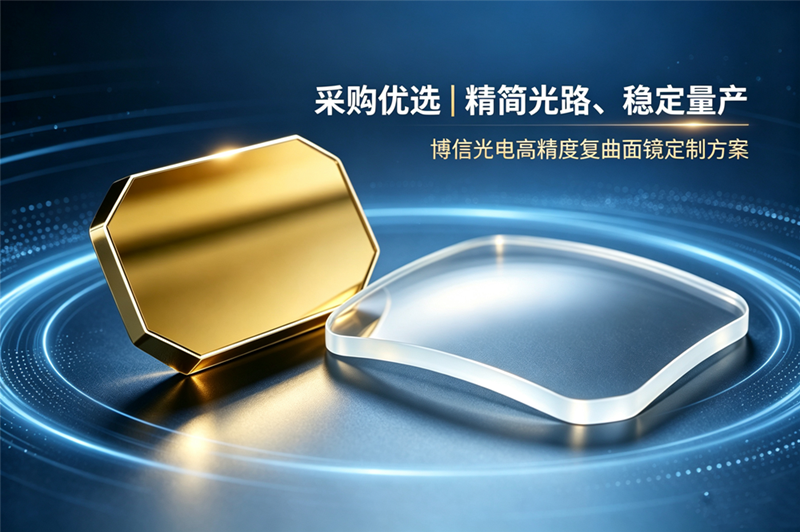
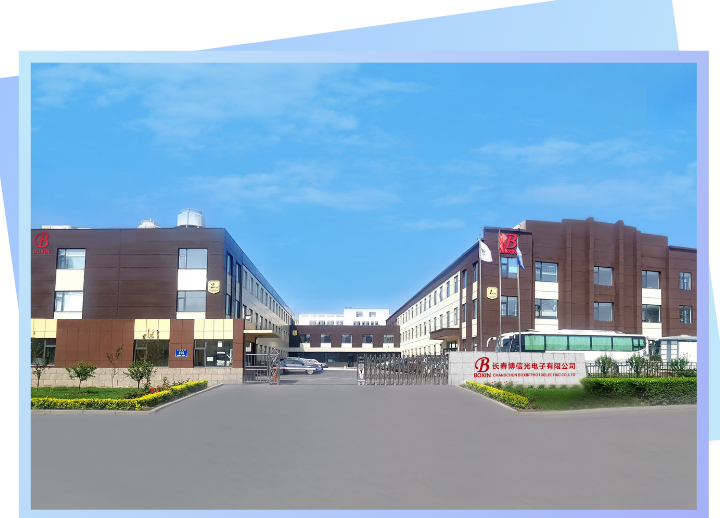
There are no universal standard plano optical components compatible with all types of equipment. The supplier’s application matching capability, process stability and delivery flexibility are critical factors ensuring smooth progress of complete machine projects. Changchun Boxin Photoelectric Co., Ltd. has long focused on customized precision plano optical component fabrication, conducting full production strictly in accordance with customer drawings and project requirements to satisfy both prototype development and mass delivery needs.
Previous:How to Make Reliable & Hassle-Free Cylindrical Lens Procurement? In-depth Introduction to Customization Strengths of Changchun Boxin Photoelectric Co., Ltd.
Back to list

Next:Unite Aspirations for a New Journey – Groundbreaking Ceremony for the New Production and R&D Base of Changchun Boxin Photoelectric Co., Ltd. Concludes Successfully
>